Always deliver more than expected
We'are Open: Mon - Sat 09:30 AM - 07:30PM
  • Company Office
  • Ocean Complex 418,

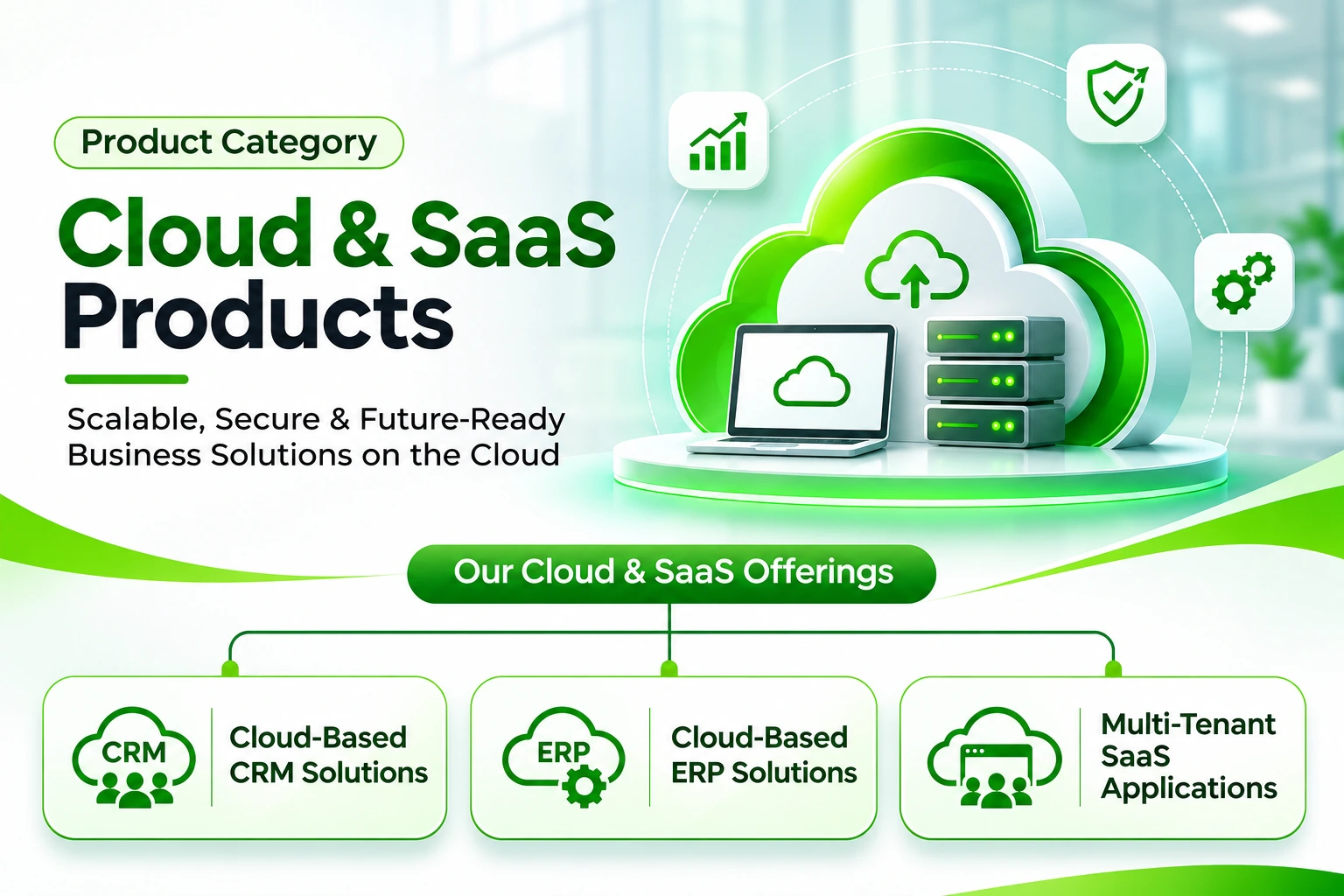
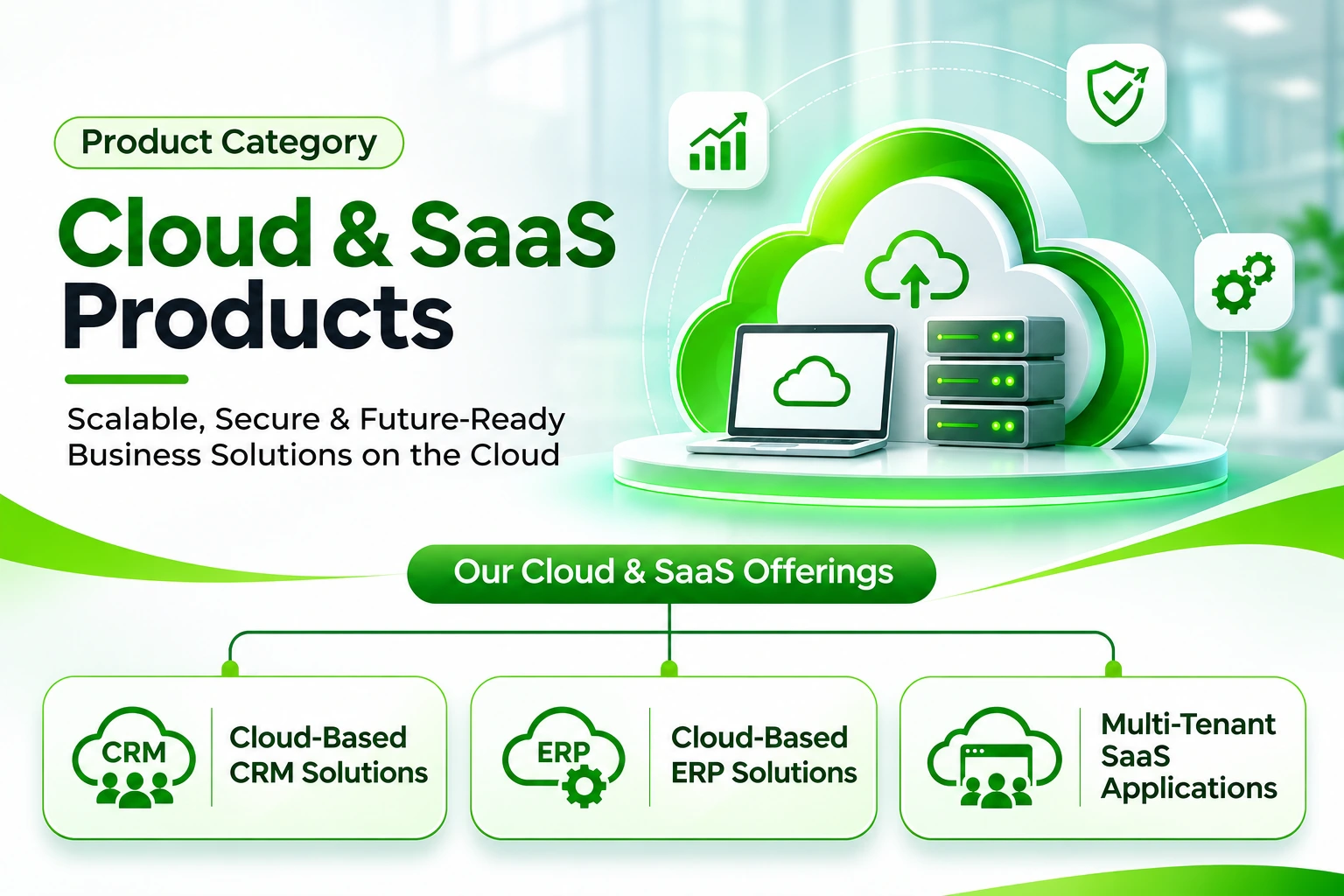
Cloud & SaaS Products

Cloud-Based ERP Solution

Cloud-Based ERP Solution helps businesses integrate finance, inventory, HR, sales, and operations into one centralized platform. At RS TOP CODER, we develop secure, scalable ERP systems that automate…

Live module Cloud Finance and General Ledger

  • 19Modules
  • 171Features
  • Cloud & SaaS ProductsCatalog

Product overview

What Cloud-Based ERP Solution delivers

Comprehensive software modules designed for cloud & saas products operations.

What Is Cloud-Based ERP Solution

Cloud-Based ERP Solution is a software category delivering enterprise resource planning—finance, inventory, procurement, production, HR hooks—via secure web browsers and mobile apps on vendor-managed or custom cloud infrastructure rather than on-premise servers. Organizations adopt cloud ERP when capital expenditure, patch cycles, and remote access limitations of legacy on-prem systems slow growth and resilience.

Businesses choose Cloud-Based ERP to reduce infrastructure ownership, enable faster upgrades, support distributed teams, and scale compute for month-end close or seasonal peaks elastically. The category spans custom cloud-native ERP builds and migrated legacy suites rehosted with DevOps discipline and disaster recovery tested regularly.

SMEs, multi-branch retailers, manufacturers, services firms, and enterprises divesting data centers evaluate Cloud-Based ERP when IT headcount cannot maintain on-prem stacks. Fast-growing companies also prefer cloud ERP to avoid forklift upgrades every five to seven years.

Operational Scope

Teams typically configure Cloud-Based ERP Solution around master data, approval paths, role permissions, and reporting cadences that mirror how Cloud & SaaS Products buyers operate day to day. Core capabilities such as Cloud Finance & Accounting, Inventory & Supply Chain Cloud, Procurement & Vendor Cloud, Production & Operations Modules are phased during rollout so departments adopt structured workflows without disrupting customer-facing commitments. Leadership gains consolidated visibility while functional teams retain controls suited to their responsibilities.

When Organizations Evaluate Cloud-Based ERP Solution

Organizations begin formal evaluation when on-prem erp ties upgrades to hardware cycles and costly si projects; remote users vpn into slow legacy clients unsuitable for modern work patterns; disaster recovery drills are rare, risking long outages during hardware failure. These signals often appear after growth in users, locations, transaction volume, or compliance obligations. At that stage, patching spreadsheets or bolting on isolated tools costs more than implementing a category-aligned platform with clear ownership and integration standards.

Key Business Challenges

Before adopting Cloud-Based ERP Solution, many organizations struggle with process fragmentation and inconsistent data. Common issues include:

  • On-prem ERP ties upgrades to hardware cycles and costly SI projects.
  • Remote users VPN into slow legacy clients unsuitable for modern work patterns.
  • Disaster recovery drills are rare, risking long outages during hardware failure.
  • Integration with modern SaaS tools is brittle without API-first cloud architectures.
  • Leadership fears cloud security without understanding shared responsibility models clearly.

Left unaddressed, these operational gaps slow decision-making, increase rework, and make it harder to hold teams accountable for service levels or financial outcomes. Stakeholders across finance, operations, and customer-facing functions feel the impact through delayed reports, disputed numbers, and manual follow-ups that should be automated within Cloud-Based ERP Solution. A structured software category addresses root causes rather than symptoms.

Business Benefits

When implemented with clear scope and ownership, Cloud-Based ERP Solution can deliver measurable improvements across operations and management visibility:

  • Accesses ERP from browsers and mobile with role-based permissions anywhere.
  • Reduces hardware capex and shifts to predictable subscription or managed hosting opex.
  • Applies security patches and platform updates with tested rollback procedures.
  • Scales resources for peak processing such as payroll, close, or seasonal orders.
  • Integrates APIs with ecommerce, CRM, WMS, and payment platforms natively.
  • Implements backup, multi-AZ, and DR strategies documented and tested quarterly.
  • Accelerates rollout of new branches or entities with template provisioning.
  • Supports analytics and AI modules leveraging cloud data services when ready.

Measured over quarters rather than weeks, investments in Cloud-Based ERP Solution often show improvements in accesses erp from browsers and mobile with role-based permissions anywhere; reduces hardware capex and shifts to predictable subscription or managed hosting opex; applies security patches and platform updates with tested rollback procedures. Organizations with executive sponsorship, clean master data, and phased training typically see faster adoption and fewer rollback requests. The category also creates a foundation for analytics, automation, and integration projects that would be expensive to layer onto disconnected tools.

Core Modules

The following modules are commonly configured within Cloud-Based ERP Solution implementations. RS Top Coder tailors module depth, approvals, and integrations based on your Cloud & SaaS Products requirements:

  • Cloud Finance & Accounting — Runs GL, AP, AR, assets, and tax on scalable application tiers.
  • Inventory & Supply Chain Cloud — Manages stock, warehouses, and orders with real-time multi-location sync.
  • Procurement & Vendor Cloud — Handles PO cycles and vendor portals integrated to ERP core.
  • Production & Operations Modules — Supports MRP, projects, or services per industry configuration.
  • HR & Payroll Integration Layer — Connects workforce data and payroll postings securely.
  • Mobile & Field Access — Equips sales, warehouse, and approvers with mobile ERP transactions.
  • Cloud Integration Hub — Exposes APIs and events for CRM, ecommerce, and BI connectivity.
  • Security, Backup & DR — Implements encryption, IAM, monitoring, and recovery runbooks in cloud.
  • Admin & Tenant Management — Govern users, entities, environments, and release promotion paths.

Module depth is configured to match your operating model rather than enabling every feature on day one. RS Top Coder documents data flows between Cloud Finance & Accounting, Inventory & Supply Chain Cloud, Procurement & Vendor Cloud, Production & Operations Modules, defines approval thresholds, and validates that each module produces the reports your managers rely on during daily and monthly reviews. Integrations with accounting, CRM, ERP components, payment gateways, HR systems, and custom APIs are scoped during discovery so duplicate entry is minimized from go-live.

Industries We Serve

Cloud-Based ERP Solution is evaluated by organizations that need dependable software for daily execution and leadership oversight. RS Top Coder frequently supports:

  • Growing SMEs — Firms wanting ERP capability without datacenter investments.
  • Multi-Branch Retail & Distribution — Operators needing centralized cloud control with local execution.
  • Manufacturing Mid-Market — Plants connecting shop floor and finance on cloud platforms.
  • Professional Services — Firms billing projects with cloud financial and time integration.
  • Healthcare & Education Back-Office — Institutions modernizing admin ERP with remote access needs.
  • Enterprises Cloud-Migrating Legacy ERP — Groups replatforming with phased module migration strategies.

Regardless of sector, successful deployments align terminology, compliance needs, and KPI definitions with how teams already measure performance. RS Top Coder frequently supports organizations in Growing SMEs, Multi-Branch Retail & Distribution, Manufacturing Mid-Market, Professional Services, adapting workflows while keeping the platform maintainable for internal administrators. Sector experience reduces rework during configuration and helps anticipate audit, integration, and reporting requirements early in the project.

Why Choose RS Top Coder

RS Top Coder delivers Cloud-Based ERP Solutions—custom builds or migrations—with cloud security baselines, integration maps, and training plans before cutover weekends. We avoid lift-and-shift without optimization when refactor reduces long-term cost, and document shared responsibility so client IT and RS Top Coder ops roles stay clear after go-live.

Implementation Methodology

RS Top Coder follows a structured delivery path: discovery workshops, process mapping, solution design, iterative configuration, integration testing, user acceptance, and phased go-live. We document assumptions, migration rules, and rollback plans so stakeholders know what happens at each milestone. Training materials and admin guides are tailored to roles rather than delivering generic manuals that teams rarely use.

Post-Launch Support

After launch, our team supports performance tuning, new branch or department onboarding, additional integrations, and reporting changes as your business evolves. Issue triage, enhancement backlogs, and release planning are handled transparently so internal IT and business owners share the same roadmap. This ongoing partnership keeps Cloud-Based ERP Solution aligned with operational reality instead of freezing at initial configuration.

Product lineup

19 modules in this catalog

Full catalog

Product modules & capabilities

Expand each product to review its feature set.

01 Cloud Finance and General Ledger Maintains the chart of accounts, journal entries, period close, and financial statements for multi-entity organizations operating on a shared cloud platform. Controllers configure posting rules, manage intercompany eliminations, and reconcile subledgers to the general ledger through controlled close calendars and audit-ready transaction history. 9 features
Multi-entity chart of accounts Defines account structures by legal entity with shared or local segments for department, project, and product dimensions. Administrators map local accounts to group reporting codes and enforce activation rules before transactions post to closed periods.
Automated journal workflows Routes recurring, accrual, and manual journals through approval chains based on amount thresholds and account sensitivity. Preparers attach supporting references and reviewers receive notifications when journals await approval before period posting.
Period close checklist Tracks close tasks such as subledger reconciliation, currency revaluation, and allocation runs with owner assignments and due dates. Controllers mark tasks complete only when validation reports show zero unresolved exceptions for the period.
Intercompany transaction matching Identifies reciprocal entries between entities and highlights imbalances requiring correction before consolidation. Finance teams drill into unmatched pairs, post adjusting entries, and document resolution notes for external audit review.
Financial statement generation Produces balance sheet, income statement, and cash flow views by entity, segment, and reporting currency from posted balances. Report designers configure row definitions and comparative periods without altering underlying ledger data.
Subledger reconciliation controls Compares accounts payable, receivable, inventory, and fixed asset subledger totals to control accounts with exception queues. Accountants investigate variances, post correcting journals, and retain reconciliation sign-off records by period.
Audit trail and immutability Logs create, modify, and reverse events on journal lines with user identity, timestamp, and before-and-after values. Auditors export transaction history filtered by account, user, and date range without access to modify posted records.
Multi-currency revaluation Revalues foreign currency monetary balances at period-end rates and posts unrealized gain or loss entries automatically. Treasury supplies official rate tables and controllers review revaluation worksheets before final close posting.
Allocation and distribution rules Distributes shared costs across departments or projects using fixed percentages, headcount drivers, or statistical keys. Cost accountants schedule allocation runs, preview results, and post approved distributions as system-generated journals.
02 Accounts Payable Processes supplier invoices, payment proposals, and vendor account reconciliation within the cloud ERP payable cycle. Accounts payable teams capture invoices electronically, apply three-way match controls, schedule disbursements, and maintain vendor master data aligned with procurement and tax requirements. 9 features
Invoice capture and coding Accepts supplier invoices from email, portal upload, or electronic data interchange with automatic header and line extraction. Clerks validate vendor, purchase order, and tax coding before routing documents into approval or match workflows.
Three-way match validation Compares invoice quantities and prices to purchase order and goods receipt records within configured tolerances. Exceptions queue for buyer or receiver resolution before invoices become eligible for payment scheduling.
Payment run and disbursement Groups approved invoices into payment batches by due date, currency, and payment method including ACH, wire, and check. Treasury reviews proposed payments, applies cash discount logic, and releases files to banking channels with confirmation tracking.
Vendor master governance Maintains supplier legal names, remit-to addresses, payment terms, and withholding flags with change approval workflows. Procurement and finance jointly review bank detail updates to reduce payment fraud and duplicate vendor records.
Accrual and GRNI processing Estimates liabilities for goods received not yet invoiced and services received without billing to support accurate period-end balances. Controllers reverse accruals upon invoice receipt and investigate aged accrual balances monthly.
Vendor statement reconciliation Matches open invoice and payment activity to supplier statements with discrepancy highlighting for follow-up. Payables specialists correspond with vendors on unmatched items and attach resolution documentation to vendor accounts.
Withholding and statutory deductions Calculates tax withholdings and other statutory deductions on applicable payments according to jurisdiction rules. Tax teams review withholding registers before remittance filing and reconcile paid amounts to general ledger liability accounts.
Early payment discount management Identifies invoices eligible for settlement discounts based on terms and payment date proposals. Analysts compare discount savings to alternative cash uses before treasury approves accelerated payment selections.
Payables aging and cash forecasting Reports outstanding liabilities by aging bucket and projects disbursement timing for treasury cash planning. Finance exports aging detail by vendor and currency for working capital reviews and covenant reporting.
03 Accounts Receivable Manages customer invoicing, cash application, credit control, and collections within the cloud ERP order-to-cash cycle. Billing teams generate invoices from shipments or contracts, apply receipts to open items, and monitor customer exposure against credit policies, dunning procedures, and documented dispute resolution workflows. 9 features
Customer invoice generation Creates invoices from sales shipments, project milestones, or recurring billing schedules with tax and discount calculation. Billing clerks preview documents, correct line errors before release, and deliver invoices through email or customer portal channels.
Cash receipt application Matches incoming payments to open invoices using remittance advice, lockbox files, or manual selection with residual handling. Cash application staff research unapplied balances and post write-offs or refunds through approved adjustment workflows.
Credit limit and hold management Enforces customer credit limits and payment behavior rules before order release or shipment confirmation. Credit analysts review hold queues daily, adjust limits with documented approval, and release orders when exposure returns within policy.
Collections and dunning workflow Prioritizes overdue accounts by amount, age, and customer segment with staged correspondence templates. Collectors log contact outcomes, negotiate payment plans, and escalate accounts to external agencies per documented collection policies.
Dispute and deduction tracking Records customer claims on invoice lines with reason codes, ownership, and resolution status separate from cash posting. Billing and sales coordinate dispute closure before credits post, preserving audit history of claim handling.
Revenue recognition alignment Links billed amounts to performance obligations or delivery events configured for applicable accounting standards. Controllers reconcile billed-not-recognized balances to deferred revenue accounts during monthly close procedures.
Customer statement and balance inquiry Produces statements summarizing open items, payments, and credits for customer account review cycles. Service representatives respond to balance inquiries using real-time subledger detail without altering posted transaction history.
Write-off and bad debt provisioning Processes approved write-offs against customer balances and supports allowance calculations based on aging and history. Finance attaches authorization evidence and monitors recovery activity on previously written-off accounts where applicable.
Receivables aging and DSO reporting Segments outstanding balances by aging category and calculates days sales outstanding trends by business unit. Management reviews aging dashboards in cash collection meetings and assigns targets by collector or customer segment.
04 Cloud Inventory Management Tracks stock balances, reservations, and valuation across warehouses and locations within the cloud ERP inventory subledger. Inventory controllers maintain item masters, monitor availability for order promising, and reconcile physical counts to system records through adjustment and cycle count processes. 9 features
Item master and unit of measure Defines items with stocking units, conversions, lot tracking flags, and default locations across the inventory network. Master data stewards control activation, revision history, and attribute changes through governed approval workflows.
Stock balance and reservation Maintains on-hand, allocated, and available quantities by location with reservation against sales and production demand. Planners view net availability during order entry and transfer planning without manual spreadsheet reconciliation.
Inventory valuation methods Supports standard, moving average, and layered costing policies with valuation posted to financial accounts on transactions. Accountants review cost changes after significant purchase price shifts and approve standard cost updates with effective dates.
Goods movement transactions Records receipts, issues, transfers, and adjustments with document references linking to procurement, sales, or production sources. Warehouse staff confirm movements through controlled screens or integrated scanning workflows with validation rules.
Lot and serial traceability Tracks batch and serial identifiers through receipt, storage, and issue for regulated or warranty-sensitive products. Quality teams trace genealogy forward and backward during recall investigations using lot relationship reports.
Cycle count and physical inventory Plans count tasks by location or item classification with blind entry and variance tolerance approval before posting. Controllers analyze count accuracy metrics and adjust count frequency for locations with recurring discrepancies.
Reorder and replenishment signals Calculates reorder points using lead time, safety stock, and demand history with alerts when coverage falls below thresholds. Buyers convert approved suggestions into purchase requisitions or transfer orders within procurement workflows.
Negative stock and integrity controls Prevents or flags transactions that would drive locations below zero quantity unless authorized override roles apply. Administrators investigate recurring integrity exceptions to identify process gaps in timing of receipts and issues.
Inventory subledger to GL reconciliation Compares inventory account balances to subledger valuation totals by category and entity for period-end close. Finance resolves timing differences between receipt posting and invoice accrual before close sign-off.
05 Cloud Procurement Manages requisitions, purchase orders, supplier catalogs, and spend compliance within the cloud ERP sourcing cycle. Buyers convert approved demand into purchase orders, negotiate contract utilization, monitor supplier performance against delivery and quality expectations, and review category spend analytics during quarterly sourcing reviews. 9 features
Purchase requisition workflow Captures employee purchase requests with commodity coding, preferred suppliers, and budget checks before buyer review. Approvers enforce delegation limits and reject incomplete requests returned to requesters with comment history.
Purchase order creation and change control Generates purchase orders from approved requisitions or manual entry with line-level delivery schedules and incoterms. Buyers log changes to quantity, price, or dates with audit history visible to receiving and accounts payable teams.
Supplier catalog and punch-out Connects hosted or punch-out catalogs with contracted items, prices, and units mapped to internal item masters. Employees select catalog items within policy while non-catalog purchases route through additional approval steps.
Contract and blanket order management Maintains framework agreements with release tracking, remaining quantities, and validity periods for recurring purchases. Buyers create call-off releases against authorized limits without renegotiating terms for each transaction.
Receiving integration Feeds expected receipts from open purchase orders to receiving processes with tolerance rules on over-delivery. Receivers post quantities that drive inventory increases and three-way match preparation in accounts payable.
Spend analytics by category Aggregates purchase history by supplier, commodity, and cost center for sourcing reviews and contract compliance. Category managers identify maverick spend and consolidate volume toward preferred supplier agreements.
Supplier performance scorecards Tracks on-time delivery, quality rejection rates, and invoice accuracy metrics by supplier and period. Procurement reviews scorecards in quarterly business reviews and documents corrective action plans for underperforming vendors.
Budget encumbrance on commitment Records financial commitment when requisitions or purchase orders are approved before invoice posting occurs. Budget owners view encumbered amounts reducing available funds in departmental budget dashboards.
Procurement policy compliance rules Enforces mandatory sourcing paths, competitive bid thresholds, and prohibited supplier lists during requisition and order entry. Compliance officers audit exception reports for overrides requiring secondary approval and documented justification.
06 Sales Order Management Orchestrates quote-to-order conversion, pricing, availability checking, and fulfillment coordination within the cloud ERP sales cycle. Order management teams validate customer terms, reserve inventory or capacity, and release orders to warehouse or production with status visibility for customer service. 9 features
Quote and order entry Captures customer orders with product configuration, pricing rules, delivery requests, and tax determination at line level. Sales administrators validate credit status and completeness before orders confirm and trigger downstream fulfillment processes.
Pricing and discount governance Applies price lists, contract rates, and approved discount matrices with escalation when margins fall below thresholds. Pricing analysts maintain effective dates and audit override reasons submitted by sales representatives.
Available-to-promise checking Calculates promised dates using inventory availability, procurement lead times, or production capacity by item and location. Customer service communicates confirmed dates from system calculations rather than manual estimates.
Order allocation and reservation Reserves stock or capacity against order lines with priority rules for strategic customers or expedited shipments. Planners reallocate reservations when supply changes and notify sales of revised promise dates automatically.
Fulfillment release to warehouse Transmits pick-ready orders to warehouse or third-party logistics systems with shipment instructions and carrier preferences. Fulfillment coordinators monitor release backlog and resolve holds caused by credit, inventory, or configuration issues.
Partial shipment and back-order handling Supports shipping available quantities while remaining lines stay open with expected replenishment dates tracked on the order. Customers receive notifications per shipment with tracking references linked to original order numbers.
Returns and credit order linkage Associates return merchandise authorizations to original sales orders for eligibility validation and restocking decisions. Returns processors apply credit memos or replacements through workflows tied to receipt inspection outcomes.
Order status and inquiry visibility Displays order lifecycle stages from entry through shipment and invoicing for internal and portal users with role-based fields. Service agents respond to customer inquiries using current status without accessing unrelated account data.
Sales order profitability preview Estimates margin on orders using standard or actual costs and applied discounts before release for review on low-margin deals. Sales managers approve exceptions where strategic value warrants accepting reduced margin outcomes.
07 Material Requirements Planning Calculates net material and capacity requirements from demand forecasts, sales orders, and bill of materials within the cloud ERP planning engine. Planners run MRP explosions, review planned orders, and convert suggestions into purchase requisitions or production orders aligned with lead times and lot sizing rules. 9 features
Demand signal aggregation Consolidates independent demand from forecasts and dependent demand from bills of materials into time-phased gross requirements. Planners exclude obsolete items and validate demand spikes against commercial forecasts before planning runs.
Bill of materials explosion Explodes multi-level product structures with quantity per, scrap factors, and effectivity dates to calculate component needs. Engineers control revision activation so planning uses only approved manufacturing definitions.
Netting and lot sizing logic Offsets gross requirements with on-hand stock and open orders applying lot-for-lot, fixed, or economic order quantities. Planners review lot size exceptions where supplier pack sizes or production constraints differ from system defaults.
Planned order proposals Generates planned purchase, transfer, and production orders with suggested start and due dates based on lead times. Buyers and production schedulers convert approved proposals into firm orders within authorized planning horizons.
Lead time and calendar awareness Respects supplier lead times, manufacturing routings, and work center calendars when offsetting requirement dates to planned order releases. Planners update lead time master data when supplier performance trends indicate systematic delays.
Safety stock and buffer planning Maintains safety stock policies by item and location absorbed into net requirements during planning runs. Inventory analysts adjust buffers seasonally and simulate stockout risk before applying changes to production planning data.
Capacity rough-cut validation Compares planned production load to work center capacity by period highlighting overloads before schedule firming. Production managers shift orders, authorize overtime, or adjust demand within feasible capacity windows.
Planning horizon and firm zone Defines periods where planned orders auto-convert versus zones requiring manual firming to protect near-term schedules. Controllers lock firm zones during master schedule meetings to prevent unintended rescheduling from daily MRP runs.
Exception message management Surfaces expedite, defer, cancel, and shortage messages for planner action with prioritization by critical items. Planners clear exceptions daily and document resolutions affecting customer promise dates or production sequences.
08 Project Accounting Tracks project budgets, actual costs, revenue, and profitability for professional services and capital projects within the cloud ERP project ledger. Project controllers define work breakdown structures, capture time and expense, allocate shared costs, and report earned value against approved baselines. 9 features
Project and task hierarchy Models projects with phases, tasks, and cost codes aligned to billing structures and internal reporting needs. Project administrators activate templates for recurring project types and restrict structural changes after baseline approval.
Budget and baseline control Stores original and revised budgets by cost category with approval workflows for changes after baseline lock. Sponsors compare actual and committed spend to budget in periodic reviews and document scope changes driving revisions.
Time and expense capture Collects labor hours and reimbursable expenses against project tasks with approval routing to project managers. Payroll and accounts payable integrations post approved entries to project actuals without duplicate manual journal entry.
Cost allocation to projects Assigns shared resources, equipment charges, and overhead using defined drivers or fixed rates per accounting policy. Controllers preview allocation results and post approved distributions to project cost accounts monthly.
Project billing and revenue Generates customer invoices from fixed fee milestones, time and materials detail, or percent complete rules per contract terms. Billing teams reconcile work in progress balances to unbilled revenue accounts before invoice release.
Commitment and encumbrance tracking Records purchase order and subcontract commitments against project budgets before invoice recognition occurs. Project managers view total exposure including actuals, commitments, and forecast-to-complete in unified dashboards.
Earned value and percent complete Calculates planned value, earned value, and cost performance indices using selected progress measurement methods. Program offices review variance reports in status meetings and initiate corrective actions when indices breach thresholds.
Project closeout and capitalization Completes final cost accumulation, transfers capitalizable spend to fixed assets, and closes project books to prevent further posting. Finance validates closeout checklists including open commitment resolution and final billing reconciliation.
Cross-project profitability analysis Compares margin and utilization across projects, customers, and service lines for portfolio management decisions. Leadership filters results by period and business unit without exporting data to external spreadsheets.
09 Fixed Asset Management Registers capital assets, calculates depreciation, tracks transfers and disposals, and maintains book and tax basis within the cloud ERP asset subledger. Asset accountants capitalize expenditures from projects or invoices, run depreciation schedules, and produce roll-forward reports for audit and tax filing support. 9 features
Asset registration and capitalization Creates asset records from project closeout, invoice distribution, or manual entry with acquisition cost and in-service dates. Accountants validate capitalization thresholds and asset categories before depreciation schedules activate.
Depreciation schedule engine Calculates periodic depreciation using straight-line, declining balance, or units-of-production methods by book and tax books. Controllers run depreciation preview, investigate anomalies, and post approved runs to general ledger accounts.
Asset transfer and reclassification Records movement between locations, departments, or categories with automatic adjustment of depreciation attributes where required. Custodians approve transfer requests and attach documentation for intercompany asset movements.
Disposal and retirement processing Handles sale, scrap, or donation disposals calculating gain or loss on retirement and removing net book value from active registers. Finance verifies disposal authorization and reconciles proceeds to cash receipts in accounts receivable.
Component and asset grouping Manages parent-child asset relationships for composite equipment with component-level replacement and depreciation linkage. Engineers update component lists when major replacements occur without losing historical cost audit trail.
Physical inventory verification Plans asset verification events with barcode or tag scanning to confirm existence and custodian assignment. Asset teams investigate missing tags and update location or custodian master data following verification completion.
Tax book parallel tracking Maintains separate tax basis and depreciation methods producing tax-specific schedules alongside book accounting. Tax preparers export asset additions and disposals formatted for return preparation and fixed asset reconciliation workpapers.
Lease and right-of-use integration Captures finance and operating lease assets with term, payment, and discount rate attributes for amortization alongside owned assets. Accountants align lease asset schedules with contract modifications and remeasurement events per policy.
Asset roll-forward reporting Summarizes beginning balance, additions, disposals, depreciation, and ending balance by category for financial statement disclosure. Auditors trace roll-forward totals to general ledger control accounts and sample supporting asset records.
10 HR and Payroll Integration Synchronizes employee master data, organizational structure, and payroll results between human resources systems and the cloud ERP financial subledger. Integration administrators map earning and deduction codes, automate journal posting from payroll cycles, and maintain segregation between HR-sensitive fields and finance reporting attributes. 9 features
Employee master synchronization Imports new hires, terminations, and demographic updates from HR systems on scheduled intervals with exception handling for unmatched records. HR and finance jointly resolve sync errors before payroll journals post to incorrect cost centers.
Organizational hierarchy mapping Aligns departments, cost centers, and reporting lines used in ERP transactions with authoritative HR org structures. Administrators detect drift when reorgs occur and update mappings before next payroll allocation run.
Payroll journal automation Generates balanced journal entries for gross wages, employer taxes, benefits, and liabilities from approved payroll register extracts. Controllers review preview totals against payroll summary reports before posting to general ledger.
Earning and deduction code mapping Maintains cross-reference tables linking payroll codes to financial accounts and statistical fields for management reporting. Accountants update mappings when new pay components launch or benefit plans change mid-year.
Labor cost distribution Allocates labor costs to projects, production orders, or departments based on time tracking feeds or default home cost centers. Project controllers validate labor distribution weekly to correct misassigned hours before billing cycles.
Benefit and accrual integration Posts employer benefit expenses and payroll-related accruals such as vacation liabilities using configurable calculation rules. Finance reconciles accrual balances to HR policy reports during quarterly balance sheet reviews.
Confidentiality and field filtering Restricts sensitive HR attributes from ERP user roles while exposing finance-relevant identifiers needed for costing and reporting. Security administrators audit integration field maps periodically to prevent over-exposure of personal data.
Multi-jurisdiction payroll support Handles country-specific tax and social contribution postings with separate account mappings per legal employer entity. Global payroll teams validate statutory totals against remittance reports before treasury releases payments.
Reconciliation and error recovery Compares posted payroll journals to source register totals with automated retry for transient integration failures. Accountants investigate persistent variances and post adjusting entries only through controlled correction workflows.
11 Warehouse Management System Directs warehouse tasks including receiving, put-away, picking, packing, and shipping within the cloud ERP logistics execution layer. Warehouse supervisors configure locations and rules, assign work to operators, monitor throughput against planned labor and carrier cutoff schedules, and review slotting and exception metrics weekly. 9 features
Location and zone hierarchy Defines warehouses, zones, aisles, and bin locations with capacity limits and product restrictions for storage rules. Administrators reorganize layouts during facility changes while retaining historical movement records for audit.
Inbound receiving workflow Guides dock receiving against expected purchase orders or advance ship notices with discrepancy capture at line level. Receivers confirm quantities that update inventory and trigger put-away tasks without separate manual entry.
Put-away rule configuration Suggests optimal storage locations based on velocity, dimensions, and temperature requirements upon receipt confirmation. Operators validate suggested locations through scan confirmation before inventory balances update at bin level.
Pick path and wave management Groups outbound demand into waves and sequences pick tasks to minimize travel across zones and meet carrier cutoffs. Supervisors monitor wave progress, reassign tasks, and escalate incomplete waves before dispatch deadlines.
Pack and ship confirmation Records cartonization, weight capture, and carrier label generation linked to sales order shipment lines. Shipping clerks confirm handoff to carriers with tracking numbers returned to order management for customer notification.
Cross-docking and flow-through Routes inbound goods directly to outbound staging when receipt timing aligns with waiting demand documents. Planners match inbound lines to orders and release cross-dock tasks without intermediate storage posting.
Labor task assignment Dispatches tasks to operators via workstation or mobile queues with priority and skill-based routing where configured. Managers review backlog dashboards and adjust staffing to clear critical outbound windows.
Cycle count in warehouse context Generates location-based count tasks with blind entry integrated into daily warehouse operations without full shutdown. Inventory control reviews variances at bin level and posts adjustments through approved tolerance workflows.
Warehouse performance metrics Reports receipts, picks, and shipments completed versus plan by shift, zone, and operator for continuous improvement. Operations leadership uses metrics to tune slotting rules and standard time expectations by process area.
12 Budgeting and Forecasting Supports annual budget preparation, periodic forecasts, and variance analysis against actual ERP results within the cloud planning module. Finance teams load templates by department, collect submissions through workflow, consolidate entities, compare plan to actual throughout the fiscal year, and publish approved plans after executive review. 9 features
Budget template and structure Defines budget models by account, department, project, or driver-based lines with instructions embedded for preparers. Administrators roll forward prior year structures and lock template changes after submission cycles begin.
Bottom-up submission workflow Routes budget worksheets to department owners with deadlines, comments, and revision tracking through approval levels. Executives reject or approve consolidated packages with visible history of changes between submission versions.
Driver-based planning calculations Derives expense and revenue lines from operational drivers such as headcount, units sold, or square footage using defined formulas. Planners adjust drivers centrally and propagate recalculated amounts to dependent budget lines automatically.
Forecast rolling updates Captures periodic re-forecasts combining year-to-date actuals with revised outlook for remaining periods in the fiscal year. Controllers compare forecast versions to identify trend shifts requiring updated resource or spending decisions.
Capital budget integration Links capital expenditure requests to project or asset planning with approval thresholds distinct from operating budgets. Investment committees review capital submissions alongside depreciation and cash flow impacts before authorization.
Scenario and what-if modeling Creates alternate budget scenarios with adjusted assumptions for sensitivity analysis without overwriting approved baselines. Leadership compares scenarios side by side during planning sessions before selecting official plan versions.
Plan versus actual variance reporting Compares posted ERP actuals to approved budget and forecast by period with drill-down to transaction detail where authorized. Department managers explain material variances in commentary fields during monthly business reviews.
Allocation of corporate overhead Distributes shared costs to departments or business units using approved allocation keys during budget and actual comparison cycles. Finance validates allocation methodology consistency between plan and actual reporting views.
Budget version control and audit Maintains immutable versions of submitted and approved budgets with user and timestamp metadata for governance reviews. Internal audit samples approved versions against board authorization documents and published financial targets.
13 Multi-Entity Consolidation Combines financial results from subsidiary entities into group reporting views within the cloud ERP consolidation engine. Group controllers define ownership percentages, elimination rules, and reporting currencies to produce consolidated statements aligned with statutory and management reporting calendars. 9 features
Legal entity hierarchy modeling Represents parent-subsidiary relationships with consolidation method indicators for full, equity, or proportional inclusion. Administrators update hierarchy effective dates when acquisitions, divestitures, or restructuring events occur.
Intercompany elimination rules Automates elimination of reciprocal revenue, expense, and balance sheet entries between entities during consolidation runs. Controllers review elimination journals for unmatched intercompany balances before publishing consolidated results.
Currency translation processing Translates subsidiary local currency balances to group reporting currency using configured rate types for income and balance sheet accounts. Treasury provides official rates and finance validates translation adjustments against policy documentation.
Minority interest calculation Computes non-controlling interest shares of profit and equity for partially owned subsidiaries per ownership tables. Group accounting reconciles minority interest movements to subsidiary equity changes during period close.
Consolidation adjustment entries Posts manual group adjustments for reclassifications, fair value updates, and management reporting changes separate from local books. Preparers attach supporting schedules and reviewers approve adjustments before final consolidation lock.
Reporting currency and GAAP views Maintains parallel consolidation paths for statutory and alternate accounting standards where entities operate under different local rules. Controllers map local accounts to group charts for each reporting view without duplicating source transactions.
Partial ownership and step acquisitions Handles changes in ownership percentage with remeasurement of retained interest and goodwill adjustment workflows. Integration teams coordinate with local entity closes before group recognizes acquisition accounting entries.
Consolidation validation reports Highlights imbalance conditions, missing submissions, and rate table gaps prior to publishing consolidated trial balances. Group controllers resolve validation exceptions with entity finance teams before releasing statements to leadership.
Group disclosure and segment reporting Produces segment revenue and asset breakdowns by business unit or geography for external reporting packages. Disclosure teams export consolidation supporting schedules linked to published group financial statement line items.
14 Integration Hub Connects the cloud ERP to external applications, data platforms, and trading partner networks through managed interfaces and event flows. Integration engineers configure connectors, map fields, monitor message status, and maintain versioned APIs that synchronize master data and transactional payloads across systems. 9 features
Prebuilt connector library Provides maintained adapters for common ecommerce, banking, tax, shipping, and productivity platforms with configurable authentication. Engineers enable connectors by mapping endpoints and credentials without custom middleware for standard scenarios.
Field mapping and transformation Defines source-to-target field maps with lookup tables, default values, and conditional logic for heterogeneous data shapes. Analysts test mappings in sandbox environments before promoting configurations to production integration flows.
Event-driven and batch synchronization Supports real-time event publication for critical transactions alongside scheduled batch extracts for high-volume historical loads. Operations selects mode per interface based on latency requirements and partner system capabilities.
Message queue and retry handling Buffers outbound and inbound messages with automatic retry, dead-letter queues, and alerting on persistent failures. Support teams replay failed messages after root cause correction without duplicating successfully processed records.
Master data synchronization Replicates items, customers, vendors, and chart of accounts changes to connected systems with conflict detection rules. Stewards resolve conflicts when concurrent updates occur in ERP and external systems of record.
API lifecycle and versioning Documents REST and webhook endpoints with version deprecation schedules and consumer registration for partner integrations. Platform teams notify consumers before retiring versions and monitor adoption of current API releases.
Trading partner EDI support Processes purchase order, invoice, and shipment EDI documents with validation against partner agreements and ERP document creation. Operations monitors interchange acknowledgments and resolves functional acknowledgments reporting errors.
Integration monitoring dashboard Displays message volumes, error rates, and latency by interface with drill-down to individual payload identifiers. Engineers use dashboards during cutover weekends and daily health checks to detect anomalies early.
Secure credential and secret management Stores connection secrets in encrypted vaults with rotation reminders and role-restricted access for production credentials. Security reviews integration accounts quarterly to remove unused connections and enforce least privilege scopes.
15 Security and Identity Management Controls user authentication, authorization, and audit access across the cloud ERP tenant through centralized identity policies. Security administrators configure single sign-on, role-based permissions, segregation of duties rules, and session controls aligned with organizational compliance requirements. 9 features
Single sign-on integration Connects enterprise identity providers using standard federation protocols for centralized authentication to ERP applications. Administrators test failover and session timeout behavior before enforcing SSO for all production users.
Role-based access control Assigns permissions through roles mapped to job functions with optional data scope restrictions by entity or department. Security teams review role definitions when modules activate and remove excessive privileges identified in access reviews.
Segregation of duties enforcement Detects toxic combinations such as create-vendor and approve-payment privileges and blocks assignments or flags exceptions. Compliance approves documented mitigations when small teams require controlled compensating controls.
Multi-factor authentication policy Requires additional verification factors for privileged roles and remote access scenarios according to tenant security baselines. Users enroll devices through self-service flows with help desk procedures for recovery events.
Privileged access management Restricts administrative functions to break-glass accounts with enhanced logging and time-bound elevation where configured. Security monitors privileged sessions and requires ticket references for infrequent configuration changes.
User provisioning and deprovisioning Automates account creation from HR feeds and disables access promptly upon termination signals from authoritative sources. Auditors sample terminated employee lists against active ERP accounts during quarterly access certification.
Security event logging Captures login success and failure, permission changes, and sensitive data exports in tamper-evident logs for SIEM forwarding. Incident responders search correlated events during investigations without altering original log records.
Data masking by role Hides sensitive fields such as personal identifiers or margin details from users whose roles do not require full visibility. Administrators validate masking rules after role changes to prevent accidental exposure in screens and exports.
Periodic access certification Generates manager attestation campaigns listing direct reports' roles and last login activity for approve-or-revoke decisions. Governance teams track completion rates and escalate overdue certifications to executive sponsors.
16 Backup and Disaster Recovery Protects cloud ERP tenant data and configuration through scheduled backups, geo-redundant storage, and documented recovery procedures. Operations teams define recovery point and time objectives, test restore processes, maintain runbooks for failover scenarios affecting tenant availability, and align retention policies with contractual obligations. 9 features
Automated backup scheduling Executes full and incremental backups on defined intervals with retention policies aligned to regulatory and contractual requirements. Administrators receive alerts when backup jobs fail or exceed expected duration thresholds.
Geo-redundant storage replication Replicates backup copies across geographically separate regions to protect against regional infrastructure failures. Infrastructure reviews replication lag metrics and confirms secondary region accessibility during quarterly drills.
Point-in-time recovery capability Restores database and file artifacts to specific timestamps within retention windows for corruption or user error recovery. Requesters document approval for production restores and validate recovered environments before cutover.
Configuration and metadata backup Includes tenant settings, integration maps, and report definitions alongside transactional data in recovery scope. Engineers restore configuration packages to sandbox tenants when reconstructing environments after major incidents.
Disaster recovery runbooks Documents step-by-step failover and failback procedures with role assignments and communication templates for stakeholders. Operations updates runbooks after architecture changes and validates contact lists remain current.
Recovery time objective testing Measures elapsed time to restore critical ERP functions during scheduled drills comparing results to documented RTO targets. Leadership reviews test outcomes and approves remediation investments when gaps exceed acceptable risk tolerance.
Sandbox refresh from production Creates non-production tenant copies from production backups with optional data masking for testing and training use. Project teams request refresh windows avoiding conflict with production backup and maintenance schedules.
Backup encryption and key management Encrypts backup artifacts at rest and in transit with keys rotated according to security policy and custodian controls. Security audits key access logs and confirms encryption status before approving vendor compliance questionnaires.
Incident communication workflow Triggers status notifications to subscribed administrators during outage or recovery events with milestone updates until service restoration. Customer success coordinates external communications using approved templates during prolonged incidents.
17 Tenant Administration Manages cloud ERP tenant configuration including environments, licensing, feature activation, and organizational defaults for platform operators. Tenant administrators provision sandboxes, apply release updates, configure global parameters, monitor usage against subscription entitlements, and enforce change control on production settings. 9 features
Environment provisioning Creates production, sandbox, and training tenants with isolated data stores and configurable refresh policies from production sources. Administrators document environment purposes and restrict promotion paths to prevent unauthorized configuration drift.
Release and patch management Schedules platform updates during maintenance windows with pre-release notes and post-update validation checklists for tenant owners. Functional teams execute regression tests in sandbox tenants before approving production update application.
Feature toggle and module activation Enables licensed modules and experimental features per tenant with dependency checks on prerequisite configuration. Product owners track activation dates and communicate user training needs when new capabilities go live.
Global parameter configuration Sets tenant-wide defaults for numbering sequences, date formats, base currencies, and fiscal calendars applied across entities. Changes require change control tickets and communication to affected business units before effective dates.
User license and entitlement tracking Monitors assigned versus purchased user counts by license type with alerts when utilization approaches contract limits. Procurement receives forecasts for true-up discussions based on rolling average active user trends.
Data retention and purge policies Defines archival and purge rules for transactional and log data according to legal hold and retention schedules. Legal and compliance approve exceptions when litigation holds suspend automated purge jobs for affected records.
Tenant health and usage dashboards Displays storage consumption, batch job backlog, integration error rates, and login activity for proactive capacity management. Operations investigates anomalies such as sudden storage growth or failed scheduled processes before user impact escalates.
Support access and audit logging Grants time-limited vendor support access with customer approval and full session logging for troubleshooting escalations. Customer administrators review support access logs after incidents and revoke standing privileges no longer required.
Configuration migration tools Exports and imports selected configuration packages between tenants to standardize rollouts across regional deployments. Project teams validate migrated settings in target sandboxes before applying packages to production tenants.
18 Tax and Compliance Calculates indirect taxes, validates regulatory reporting data, and maintains audit evidence for transactions processed within the cloud ERP tax engine. Tax administrators configure jurisdiction rules, exemption certificates, and filing extracts aligned with statutory update cycles and external tax service integrations. 9 features
Jurisdiction and tax rule setup Maintains tax codes, rates, and effective dates by country, state, and local authority with automated update feeds where available. Tax teams validate rate changes in sandbox transactions before activating rules in production environments.
Transaction tax determination Calculates sales, use, and value-added tax on sales orders, invoices, and procurement lines using ship-to and bill-to logic. Billing errors flagged by determination engines route to tax reviewers before documents post to customers or suppliers.
Exemption certificate management Stores customer and vendor exemption documents with expiration tracking and validation against transaction exemptions applied at point of sale. Auditors sample exempt transactions against active certificate records during compliance reviews.
Withholding tax on payments Applies withholding rules on applicable supplier payments generating liability postings and remittance reporting data. Accounts payable reconciles withheld amounts to general ledger and statutory payment confirmations each period.
Tax reporting and return extracts Generates filing extracts formatted for submission to authorities or external tax preparation systems by jurisdiction and period. Controllers reconcile return totals to general ledger tax accounts before authorized sign-off and submission.
Intrastat and statistical reporting Captures commodity codes, weights, and transaction nature required for cross-border statistical declarations where applicable. Trade compliance validates report parameters against customs master data before periodic filing deadlines.
Audit trail for tax adjustments Logs manual tax corrections with user, reason, and referenced document linkage preserved for examiner review. Tax managers restrict adjustment permissions and sample high-value corrections during internal control testing.
Reverse charge and self-assessment Handles business-to-business scenarios requiring buyer self-assessment of tax on purchase transactions per local regulations. Accounts payable validates self-assessment postings against received supplier invoices and contract terms.
Compliance calendar and task tracking Tracks filing due dates, payment deadlines, and regulatory change effective dates with owner assignments and completion status. Tax operations reviews calendar dashboards weekly to prevent missed obligations across operating entities.
19 Reporting and Analytics Delivers operational and financial reports, dashboards, and ad hoc analysis from cloud ERP data for business and finance users. Report authors configure datasets, apply row-level security, schedule distribution, and publish certified metrics used in management reviews, regulatory submissions, and cross-functional performance discussions. 9 features
Certified report catalog Maintains approved financial and operational reports with version labels, owners, and change history visible to consumers. Governance committees deprecate obsolete reports and redirect users to successor definitions to prevent conflicting metrics.
Interactive dashboard publishing Builds role-specific dashboards combining KPI tiles, trend charts, and drill paths to underlying transaction detail where permitted. Executives access mobile-friendly layouts refreshed on schedules aligned to close and operational cadence.
Ad hoc query and analysis Provides controlled query tools against semantic data models without requiring direct database access for business analysts. Administrators limit exposed fields and tables according to data classification and user role assignments.
Row-level security enforcement Filters report results by entity, department, or territory so users view only data within authorized organizational scope. Security validates security rules after reorganizations and new entity activations before report catalogs republish.
Scheduled report distribution Emails or publishes report outputs to shared repositories on daily, weekly, or period-end schedules with recipient lists managed centrally. Operations monitors failed deliveries and retries without duplicating successful distributions to recipients.
Embedded ERP operational reports Supplies standard trial balance, inventory valuation, open order, and aging reports accessible from respective ERP modules. Accountants export results to controlled formats for auditor requests while preserving parameter selections in run history.
Metric definitions and lineage Documents calculation logic for key performance indicators with traceability to source tables and transformation steps. Data stewards resolve definition conflicts when departments report divergent values for similarly named metrics.
Data export and API access Allows authorized extraction to spreadsheets or downstream warehouses through governed export limits and logged API calls. Integration teams throttle high-volume extracts to protect tenant performance during business hours.
Close and flash reporting packs Bundles period-end reports with comparative periods and variance commentary placeholders for monthly business review cycles. Controllers validate pack completeness against close checklists before distribution to executive stakeholders.

FAQs

Common questions about Cloud-Based ERP Solution

Q01

What is a Cloud-Based ERP Solution and who should use it?

Cloud-Based ERP Solution is a software category delivering ERP functions via internet-accessible applications on cloud infrastructure rather than on-premise servers. Organizations use it to reduce hardware burden, support remote work, and integrate modern APIs with ecommerce and CRM. SMEs without datacenter staff and enterprises retiring legacy hardware commonly evaluate cloud ERP—custom or migrated—when upgrade projects stall on infrastructure constraints and business continuity risks.

Q02

Is cloud ERP secure for financial and operational data?

Cloud ERP can meet strong security standards with encryption in transit and at rest, IAM policies, MFA, network segmentation, logging, and regular penetration testing under shared responsibility models. RS Top Coder implements baselines aligned to client compliance needs and documents controls auditors review. Security depends on architecture and operations discipline—not cloud label alone—so we avoid unsafe configurations like public databases or overprivileged service accounts common in rushed migrations.

Q03

Can we migrate existing on-prem ERP to the cloud?

Yes. Migration strategies include rehosting, replatforming, or rebuilding modules on cloud-native stacks depending on legacy fit and ROI. RS Top Coder assesses customization debt, integration criticality, and downtime tolerance before recommending paths. Phased migrations move finance or inventory first with parallel run periods. Data cleansing and opening balance validation remain essential—cloud destination does not fix bad master data automatically.

Q04

Why choose RS Top Coder for Cloud-Based ERP?

RS Top Coder delivers Cloud-Based ERP with ERP functional expertise plus cloud engineering—architecture, DevOps, security—not hosting resellers alone. We align migrations to business calendars, train users on browser workflows, and monitor performance after cutover with runbooks client IT can operate confidently alongside our managed support options.

Explore further

Related pages

Evaluate Cloud-Based ERP Solution for your team

Schedule a walkthrough tailored to your workflows, integrations, and rollout timeline.

Book a product demo